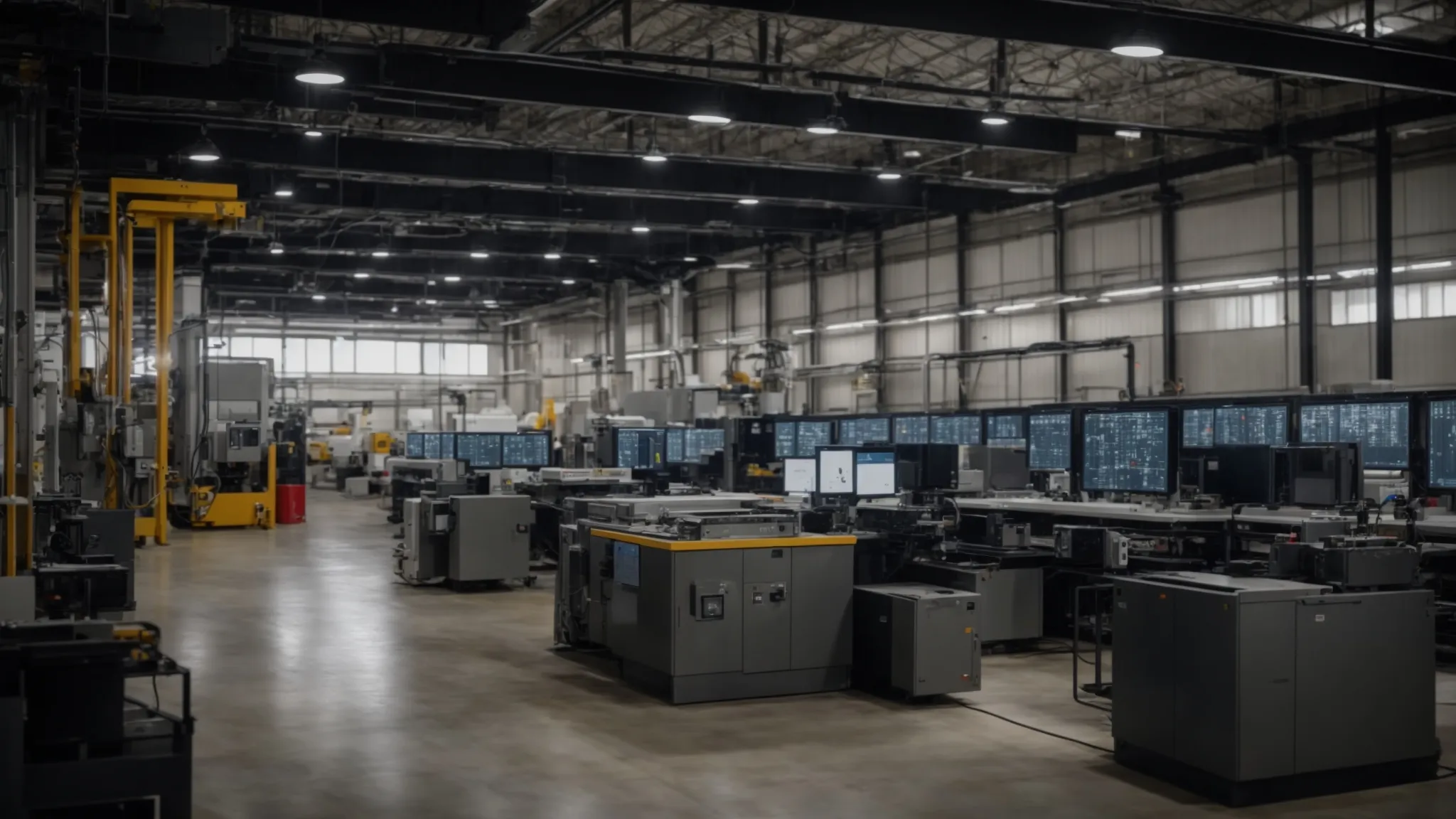
Enhancing Business Efficiency through Technology
In today's fast-paced business environment, leveraging technology is essential for improving operational efficiency. Companies that adopt technology solutions can streamline processes, reduce costs, and enhance productivity, making them more competitive in the marketplace.
For instance, businesses utilizing automation tools can significantly reduce manual errors and free up employee time for more strategic tasks. By integrating advanced technologies such as AI and machine learning, organizations can gain insights that lead to smarter decision-making and better resource allocation.
Emerging Trends in Business Process Automation
As technology evolves, new trends in business process automation are reshaping how organizations operate. Understanding these trends is crucial for businesses looking to stay ahead and maximize their efficiency.
For example, the rise of no-code platforms allows non-technical users to automate workflows without extensive coding knowledge. Additionally, the integration of AI-driven analytics provides deeper insights into process performance, enabling businesses to make data-driven improvements.
Key Benefits of AI in Business Strategy
Artificial Intelligence (AI) is transforming business strategies by providing unprecedented levels of insight and automation. Companies that harness AI can optimize their operations and enhance customer experiences, leading to increased loyalty and growth.
For instance, AI-powered tools can analyze customer data to predict buying behaviors, allowing businesses to tailor their marketing efforts more effectively. Moreover, AI can automate repetitive tasks, freeing up human resources for more complex problem-solving activities.
Best Practices for Implementing Automation Solutions
Implementing automation solutions requires careful planning and execution to ensure success. Businesses must adopt best practices to maximize the benefits of automation while minimizing potential disruptions.
One effective approach is to start small, focusing on automating specific processes that have the most significant impact. Additionally, involving employees in the transition process can help address concerns and foster a culture of innovation, ultimately leading to smoother implementation and better outcomes.